UTN-Researcher Dr. Tanja Kaiser has been selected by the ZEIT Publishing Group to join the one-year Zia Fellowship program. The program supports young women in science and research through targeted professional and personal development as well as networking opportunities. Its aim is to promote lasting gender equity.
“It’s a great honor to be selected as a Zia Fellow for the 2025/26 cohort,” says Dr. Tanja Kaiser. “The program offers me a wide range of support to further establish myself as a researcher.” The one-year Zia Fellowship provides women in academia with opportunities for both professional and personal development. Through peer exchange and networking with role models and institutional supporters from academia, research, industry, and the public sector, the program strengthens the position and potential of the fellows within the academic system.
“I was often the only woman on the team”
At UTN, Kaiser conducts research in the Department of Computer Science and Artificial Intelligence, focusing on multi-robot systems and artificial intelligence. Within the research group led by Prof. Dr. Wolfram Burgard, she leads the Multi-Robot Systems junior research group. The low proportion of women in her field and other STEM disciplines remains a pressing issue for the researcher: “I struggled to find female role models during my studies. Throughout my PhD and early postdoc years, I was often the only woman on the team. That’s why I really appreciate being part of a diverse team of researchers at UTN,” she explains. Her department also includes Prof. Dr. Simone Kager, a professor of robotics who is actively involved in both research and teaching.
A Voice for Gender Equality
Over the past year, Kaiser has also taken an active role in advancing gender equality as UTN’s university representative for the equal opportunity of women in science and arts. “Women remain underrepresented in science and are less visible in the media compared to their male colleagues,” she notes. “But increased visibility for women in research can help challenge gender stereotypes and drive structural change. Programs like the Zia Fellowship play an important role by offering participants access to role models and targeted training opportunities.”
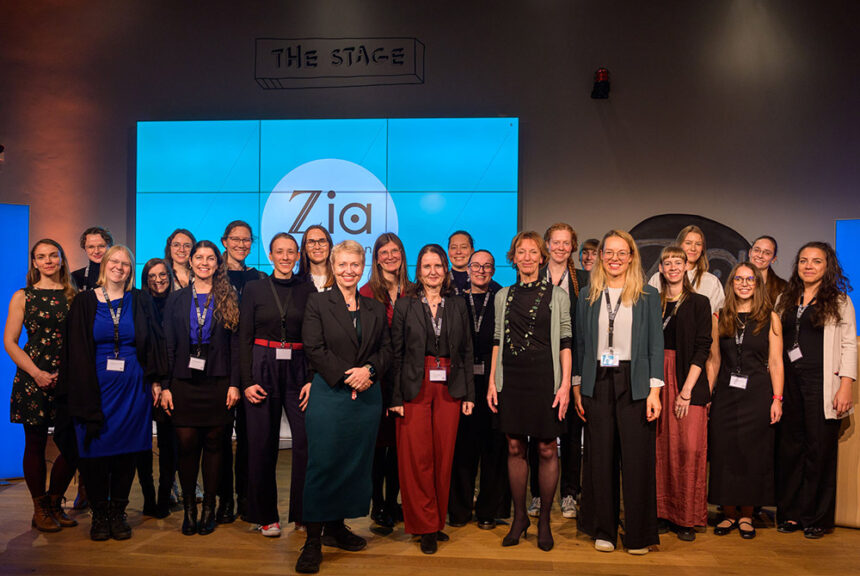
At the program’s kickoff event in Berlin, the UTN researcher had the opportunity to meet the other Zia Fellows and connect with inspiring mentors and peers: “I’m really looking forward to the upcoming events and workshops, and to strengthening and expanding this newly formed network.”

UTN-Researcher Dr. Tanja Kaiser has been selected by the ZEIT Publishing Group to join the one-year Zia Fellowship program. The program supports young women in science and research through targeted professional and personal development as well as networking opportunities. Its aim is to promote lasting gender equity.
“It’s a great honor to be selected as a Zia Fellow for the 2025/26 cohort,” says Dr. Tanja Kaiser. “The program offers me a wide range of support to further establish myself as a researcher.” The one-year Zia Fellowship provides women in academia with opportunities for both professional and personal development. Through peer exchange and networking with role models and institutional supporters from academia, research, industry, and the public sector, the program strengthens the position and potential of the fellows within the academic system.
“I was often the only woman on the team”
At UTN, Kaiser conducts research in the Department of Computer Science and Artificial Intelligence, focusing on multi-robot systems and artificial intelligence. Within the research group led by Prof. Dr. Wolfram Burgard, she leads the Multi-Robot Systems junior research group. The low proportion of women in her field and other STEM disciplines remains a pressing issue for the researcher: “I struggled to find female role models during my studies. Throughout my PhD and early postdoc years, I was often the only woman on the team. That’s why I really appreciate being part of a diverse team of researchers at UTN,” she explains. Her department also includes Prof. Dr. Simone Kager, a professor of robotics who is actively involved in both research and teaching.
A Voice for Gender Equality
Over the past year, Kaiser has also taken an active role in advancing gender equality as UTN’s university representative for the equal opportunity of women in science and arts. “Women remain underrepresented in science and are less visible in the media compared to their male colleagues,” she notes. “But increased visibility for women in research can help challenge gender stereotypes and drive structural change. Programs like the Zia Fellowship play an important role by offering participants access to role models and targeted training opportunities.”
At the program’s kickoff event in Berlin, the UTN researcher had the opportunity to meet the other Zia Fellows and connect with inspiring mentors and peers: “I’m really looking forward to the upcoming events and workshops, and to strengthening and expanding this newly formed network.”